Start your recovery journey Call or Email us today.

The 12 Signs of Mold Illness: Recognizing Mold Toxicity Symptoms Before They Take Over Your Life

Table of Contents

The 12 Signs of Mold Illness: Recognizing Mold Toxicity Symptoms Before They Take Over Your Life

Back to Learn

The 12 Signs of Mold Illness: Recognizing Mold Toxicity Symptoms Before They Take Over Your Life

BM
BeyondMold
May 14, 2026 4 min read

Mold is everywhere—but in damp, poorly ventilated spaces like basements, bathrooms, or water-damaged buildings, certain types can release mycotoxins (toxic compounds) that trigger serious health issues in sensitive people. Mold illness, also known as mold toxicity or Chronic Inflammatory Response Syndrome (CIRS) in clinical contexts, occurs when the body mounts a chronic inflammatory response to these biotoxins.

Unlike a simple mold allergy (which causes sneezing or itchy eyes), mold toxicity affects multiple body systems through inflammation and can mimic other conditions like fibromyalgia, chronic fatigue syndrome, or autoimmune disorders. Symptoms are often vague and nonspecific, which is why many people suffer for years without answers.

Not everyone exposed to mold gets sick—genetics play a big role (about 24% of people have trouble clearing biotoxins)—but if you live or work in a humid or moldy environment, these signs are worth watching.

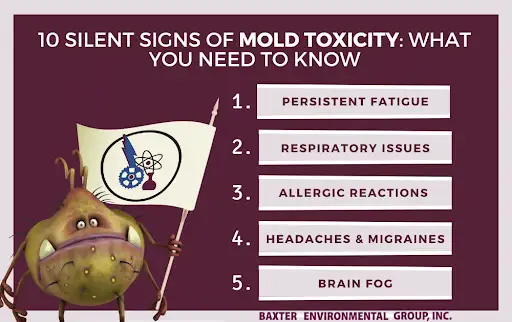
Here are the 12 potential signs of mold illness (also called mold poisoning or toxicity symptoms):

  1. Cognitive difficulties (brain fog, poor memory, anxiety) Mold toxins can cross the blood-brain barrier, causing neuroinflammation. Many report feeling “foggy,” struggling with focus, short-term memory loss, or heightened anxiety that feels out of nowhere.
  2. Pain (especially abdominal pain, but can include muscle pain similar to fibromyalgia) Widespread or localized pain is common. Abdominal cramping often pairs with other gut issues, while muscle and joint pain can feel like fibromyalgia.
  3. Unexplained weight gain or weight loss Inflammation and disrupted metabolism can lead to sudden, stubborn weight changes that don’t respond to diet or exercise.
  4. Numbness and tingling in extremities or other areas of the body Peripheral neuropathy-like sensations (pins and needles, burning, or numbness) often affect hands, feet, or face due to nerve inflammation.
  5. Metallic taste in the mouth A persistent metallic or bitter taste is a classic (and often overlooked) clue linked to mycotoxin effects on the nervous system and taste buds.
  6. Vertigo or dizziness Balance issues, lightheadedness, or a spinning sensation can occur as toxins affect the inner ear and vestibular system.
  7. Tinnitus (ringing in the ears) Persistent ringing, buzzing, or whooshing sounds in one or both ears are frequently reported.
  8. Digestive issues (especially limited tolerance to food, persistent bloating) Gut inflammation leads to bloating, food sensitivities, diarrhea, or irritable bowel-like symptoms as the microbiome and intestinal barrier are disrupted.
  9. Significant fatigue that interferes with daily activities Crushing, unrelenting exhaustion—even after good sleep—is one of the most common and debilitating signs.
  10. Changes in mood Irritability, depression, mood swings, or emotional instability can stem from brain inflammation and disrupted neurotransmitters.
  11. Excessive thirst and dehydration (bed-wetting in children) Some develop intense thirst and frequent urination due to effects on antidiuretic hormone (ADH) regulation; children may experience new-onset bed-wetting.
  12. Symptoms that resemble hormone imbalances (hair loss, rashes) Mold can disrupt endocrine function, leading to hair thinning, skin rashes, irregular cycles, or other hormonal symptoms.

Note: These symptoms overlap with many other conditions. Experiencing several of them—especially if they started or worsened after moving into a new home or workplace—may point to mold exposure.
What Causes Mold Illness?

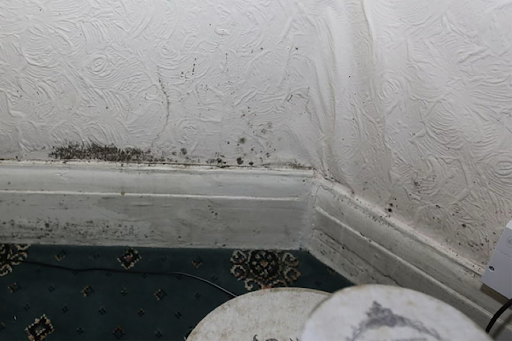
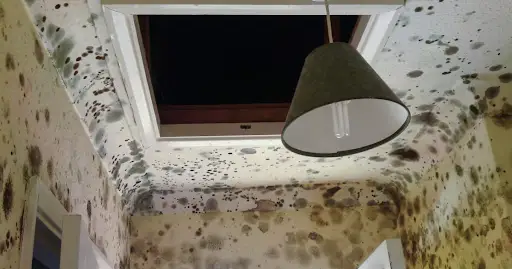
Mold thrives in moist environments from water leaks, poor ventilation, or flooding. Exposure happens through inhalation of spores or mycotoxins, and sometimes skin contact or ingestion. High-risk settings include older buildings, basements, and humid climates.
How Is Mold Illness Diagnosed?

There is no single “gold standard” test. Diagnosis usually involves:

  • A detailed history and symptom review
  • Environmental inspection of your home/workplace by a certified mold remediator
  • Urine mycotoxin testing or other labs (though these have limitations)
  • Ruling out other conditions

Conventional doctors may not be familiar with mold toxicity, so functional or integrative practitioners experienced in CIRS are often helpful.

What Should You Do If You Suspect Mold Illness?

  1. Remove the source — Get professional mold remediation and fix moisture problems immediately.
  2. Support your body — Work with a knowledgeable clinician on anti-inflammatory nutrition, binders (to help remove toxins), glutathione support, and gut healing.
  3. Address symptoms — Treat sinus, lung, or neurological issues with specialists as needed.
  4. Consider neural retraining — Programs like DNRS can help reset the nervous system.

Prevention Tips

  • Fix leaks and moisture issues promptly
  • Use dehumidifiers and ventilation fans
  • Clean regularly and inspect hidden areas (behind appliances, under sinks)
  • Consider professional air quality testing if you have persistent symptoms

Mold illness is real, treatable, and often reversible once exposure is eliminated and the body is supported. If you recognize yourself in these 12 signs, don’t ignore them—your home (or workplace) might be the hidden culprit. Start with a home inspection and a conversation with a mold-literate practitioner today.

Important disclaimer:

This article is for informational purposes only and is not medical advice. Symptoms of mold illness can indicate other serious conditions. Always consult a qualified healthcare provider for personalized evaluation and treatment.

AH

Reviewed by Dr. Andrew Heyman, MD, MHSA

Dr. Heyman is a globally recognized expert in environmental and integrative medicine, with decades of clinical experience treating mold-related illness. All BeyondMold articles are reviewed for medical accuracy by our clinical team.

Ready to find out if mold is affecting you?

Take our free home risk assessment to see if your living environment may be contributing to your symptoms.

Start free assessment
CONTINUE LEARNING

Related articles

Scroll to Top